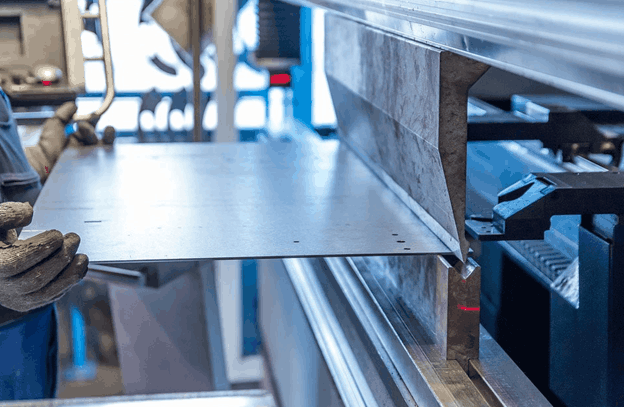
There is a quiet frustration shared by project managers across construction, energy, and manufacturing. They commission fabricated components, receive them on schedule, and only discover the problems once installation is underway or worse, once the structure is already carrying a load. The issue is rarely catastrophic at first. It is a weld that does not quite meet spec, a finish that degrades faster than expected, and a bracket that fits but creates stress concentration nobody anticipated. Metal fabrication services, chosen carelessly, have a habit of creating problems that only become visible under real operating conditions.
Precision Is Damage Prevention
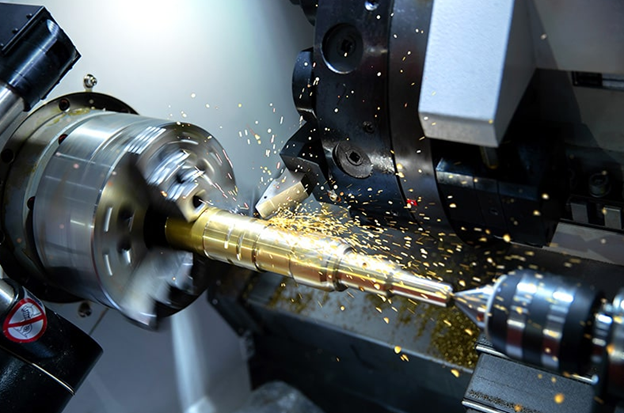
Here is something fabrication buyers rarely consider upfront. The cost of imprecision does not appear on the fabricator’s invoice. It appears later, buried inside remediation charges, project delays, and the professional embarrassment of explaining to a client why something does not fit. CNC and laser-cutting technology exist not simply to achieve tight tolerances they exist to remove the human variability that makes manual processes unreliable at volume. Buyers who treat fabrication as a commodity purchase and select purely on price are essentially agreeing to absorb those hidden costs themselves, later, when they have far less leverage to do anything about it.
What Material Choice Actually Involves
Specifying a material without understanding its long-term behaviour in a specific environment is one of the most common and expensive mistakes in fabrication procurement. Stainless steel in a coastal application is not automatically the right answer grade matters enormously, and the wrong grade corrodes. Aluminium saves weight but introduces different fatigue characteristics under cyclic loading. Mild steel is economical until the maintenance schedule catches up with it. Fabricators who ask detailed questions about the operating environment before confirming a material specification are doing their job properly. Those who simply quote what they are asked to quote, without challenge, are leaving the client exposed.
The Hidden Expense of Standard Parts
Off-the-shelf components carry an appealing logic they are available immediately, priced predictably, and require no lead time for production. What they also carry is an assumption that the project will conform to them, rather than the other way around. When that assumption breaks down, and it frequently does, the cost of adaptation falls on the installation team. Workarounds get engineered on-site, under time pressure, without proper design review. Metal fabrication services that offer genuinely bespoke production from client drawings do not just deliver a better-fitting part they remove an entire category of on-site problem before it has the chance to develop.
Durability Is a Production Decision
A component can leave a fabrication workshop looking entirely acceptable and still be fundamentally compromised. Insufficient weld penetration, inadequate surface preparation before coating, and incorrect heat treatment none of these is visible to the naked eye on delivery. They reveal themselves through premature failure, often in conditions where replacement is difficult and expensive. The fabrication sector has no universal standard that clients can simply rely on. Certification requests, weld procedure documentation, and third-party inspection are not signs of distrust. They are the only reliable way to verify that durability was actually built in, rather than assumed.
Delivery Timelines as Operational Signals
A fabricator who consistently delivers on schedule is not simply well-organised. They are signalling that their equipment is maintained, their workforce is stable, their production planning is functioning, and their quality control catches problems before they cause rework. Missed deadlines in fabrication services are rarely random. They are symptoms of internal dysfunction overloaded capacity, equipment failures, or quality failures discovered too late. Project managers who check delivery track records before awarding work are not being overly cautious. They are reading available evidence about how a supplier actually operates, rather than how they present themselves during the tender process.
Conclusion
The businesses that extract real value from metal fabrication services are not necessarily those with the largest budgets. They are the ones who understand fabrication well enough to ask the right questions before committing to a supplier. They verify material specifications, scrutinise delivery records, request documentation, and treat bespoke production as an investment rather than an indulgence. Fabrication chosen well is infrastructure. Fabrication chosen poorly is a liability that charges interest quietly, long after the invoice has been paid and forgotten.