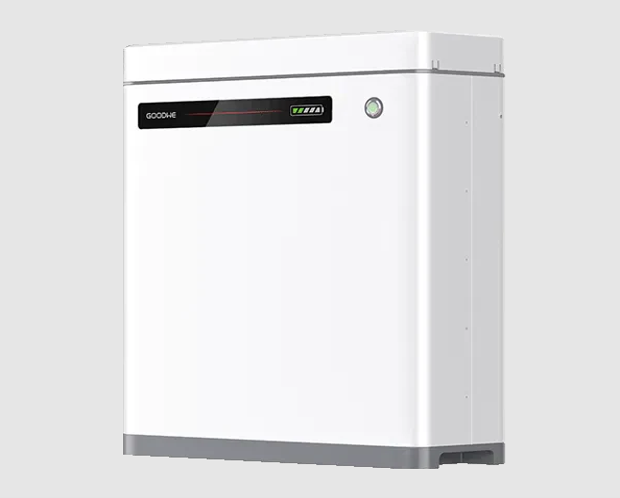
There is something uncomfortable hiding inside the clean energy conversation that most people avoid saying aloud: renewable energy, on its own, cannot be trusted. Not because the technology is poor, but because the natural world does not produce electricity on a schedule that matches human behavior. Battery storage systems answer that problem, and they are doing something far more interesting than simply holding charge they are changing the fundamental logic of how power works.
Renewables Have a Dirty Secret
Solar and wind get most of the praise in clean energy discussions, but neither can answer a basic question on demand: where is the power when nobody is generating it? The honest answer, until recently, was fossil fuels. Grid operators have kept gas-fired plants idling on standby burning fuel just to stay ready because the grid needed something to call on the moment solar output dropped or wind died. The environmental cost of that standby operation rarely features in coverage of how clean renewable energy actually is. Storage is what finally makes that backup redundant, not the panels or the turbines.
The Frequency Problem Nobody Mentions
One of the most difficult problems in contemporary infrastructure is maintaining the exact frequency at which electrical grids operate. That balance changes each time a big industrial turns on or a cloud covers a solar farm. Conventional power plants react slowly; ramping up or down takes time. When there is an imbalance, battery systems react extremely instantly, either infusing power or absorbing excess. One of the most important functions a battery installation offers is frequency control. Additionally, it is almost undetectable to the general public, which may be why conventional energy news seldom ever mentions it.
Why Your Solar Panels Are Less Useful Than You Think
A solar installation without storage is a partial solution. It generates electricity during daylight, exports whatever the household cannot use, then draws from the grid after dark often at the very times when grid strain is highest. The household feels green, but the arrangement is still deeply grid-dependent. Battery storage systems close that loop. Power generated during the day gets retained rather than exported, and the household draws on its own reserves after dark. The grid connection does not disappear, but it becomes an option rather than a necessity a meaningfully different relationship with energy than most solar owners currently have.
What Storage Does to Energy Markets
Something unusual happens when battery storage reaches a certain scale on a grid: it begins to alter pricing patterns in ways that benefit consumers without anyone planning for it. Because batteries charge during low-demand periods and discharge during peaks, they reduce the severity of those peaks and peak demand is precisely what drives electricity pricing upward for everyone. A grid with substantial storage capacity naturally flattens those spikes. The effect is structural, not incidental, and it compounds as more storage comes online. This is not a future projection; it is already observable in grids where large-scale storage has been deployed.
The Island Problem
Remote and island communities have run on diesel generators for generations not by choice, but because grid connection was never viable for their geography. Diesel is polluting, expensive to transport, and vulnerable to supply disruption. Storage paired with local renewables removes the generator without requiring any external infrastructure investment. A community that owns its generation and storage owns its energy supply in a way that grid-connected urban households do not. The energy security this creates particularly for communities historically last in line for any infrastructure investment deserves far more attention than it receives.
Conclusion
Battery storage systems rarely attract the same enthusiasm as the technologies that generate power, but they are arguably the most decisive piece of the entire clean energy puzzle. Without storage, renewable energy is an intermittent resource that the world works around. With it, clean power becomes a foundation that can be genuinely relied upon. The grids being built now are not defined by better generation alone they are defined by the ability to store what gets generated and deploy it precisely when it matters.