When someone wants to know how metal actually becomes cut, shaped, welded and turned into finished parts, used in construction, engineering and manufacturing work, this is usually the main question behind the search for metal fabricators Birmingham. Through this process, raw sheets of metal, bars and tubes get transformed into structures, frameworks and custom parts, all following exact specifications given. Whether the requirement is structural steelwork for building, or precision parts needed for machinery, fabrication brings technical skill together with modern equipment, so reliable results come out at the end.
Metal fabrication, actually, is not one single task. Rather, it is a series of processes, all connected with one another. Accuracy is needed at every stage, along with proper knowledge of materials and following safety standards properly, this is why experienced professionals are the ones trusted for handling projects of different complexity levels.
What Does the Metal Fabrication Process Actually Involve?
Design and measurement, this is usually where fabrication process begins from. Technical drawings or specifications get reviewed first of all, so exact dimensions and type of material needed can be figured out. From there process moves through several stages, like below:
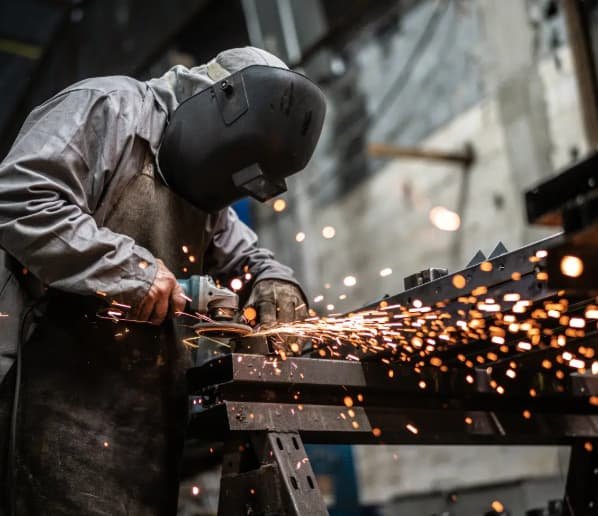
- Metal gets cut using tools such as plasma cutters, laser cutters, or saws
- Material gets bent and formed into shape that is required
- Separate pieces get welded or joined together
- Finishing done through grinding, polishing, or coating, for adding durability
Every step here depends on which type of metal getting used, because steel, aluminium and stainless steel, each one of them react differently when heat and pressure applied on them. Good understanding about these material properties, this is what makes difference between product that is well made, and one that gets defects easily.
Why Is Structural Integrity Important in Metal Work?
Structural integrity, put simply, is about how much material can bear load, stress and environmental conditions without failing. In construction and industrial applications, this becomes very important, because one weak joint or wrong measurement, it can lead to serious safety issues down the line.
Weight distribution, weld strength, and fatigue of material over time, all these things proper fabrication takes into account. Testing and quality checks, mostly these get carried out throughout whole process, not only at the end, so issues can get caught early, before becoming costly problems later.
What Types of Metals Are Commonly Used in Fabrication?
Depending on strength, weight and resistance needed, different projects call for different materials. Some metals commonly used for fabrication, they include:
- Mild steel, valued because of strength and price that is affordable
- Stainless steel, mostly chosen for how it resists corrosion
- Aluminium, preferred in cases where lightweight property matters
- Galvanised steel, used where protection from rust is essential thing
Choosing right material, it is not only about cost factor alone. Environment where finished product will be used also matters a lot, whether that means outdoor weather, moisture exposure, or heavy mechanical use over time.
How Is Welding Different From Other Joining Methods?
By fusing metal pieces together with heat, welding works, and bond that forms this way, many times it becomes even stronger than original material itself. From methods like bolting or riveting this is different, where pieces get held together mechanically, instead of getting melted into one another.
Common techniques of welding include:
- MIG welding, known mainly for speed and efficiency
- TIG welding, valued because of precision and finish that comes out clean
- Arc welding, used often for materials thicker and heavy duty in nature
Type of metal, its thickness, and finish level required in final product, these things decide which welding method gets chosen for job.
What Role Does Precision Play in Custom Metal Work?
In fabrication, precision plays very central role, because even small error in measurement, it can affect how components fit together later on. Exact specifications, custom projects depend on these especially, so parts can function correctly once assembled or installed properly.
Accuracy has improved a lot with modern equipment like CNC machines and laser cutters, and this helps reduce material waste, while also allowing tolerances that are tighter. Not just appearance, but functional performance too, this level of precision supports, especially in projects where components need perfect alignment with each other.
How Does Fabrication Support Construction and Industrial Projects?
Across construction work, fabricated metal components get used widely, from staircases and railings, to structural beams and frames for support. Industrial settings too, fabrication helps here in creating parts for machines, enclosures, and housings for equipment.
Why quality craftsmanship matters so much, this wide usage shows clearly. Whole structure or machinery can get compromised by part that is poorly fabricated, while work done well, it contributes towards durability and safety that lasts long term.
Final Thoughts on Metal Fabrication
Raw materials into components that are functional and dependable, this is what metal fabricators Birmingham convert, used across many different industries. From cutting and welding, to finishing and quality checks, every single stage in this process needs expertise, precision, and strong understanding about how materials behave. Whether needs are structural, architectural, or custom industrial ones, fabrication work done with quality, it ensures durability, safety, and performance lasting for long time.