
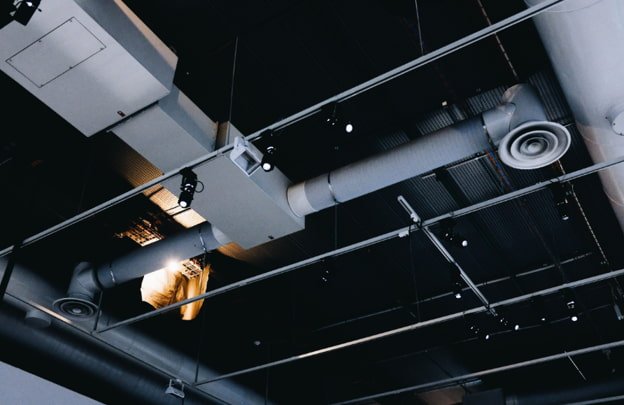
Most people picture exposed pipes and industrial-looking heads when they hear the phrase, something that belongs in a warehouse rather than a lounge room. A home fire sprinkler system installed properly barely announces itself at all, and the details that make that possible say more about the engineering than the obvious safety pitch ever does. This post skips the general explainer angle and gets into the specifics that actually separate a well-designed system from one that just technically meets the requirement.
Concealed Heads Hide In Plain Sight
Residential-grade sprinkler heads often sit behind a small cover plate matched to the ceiling colour, dropping down and firing only once heat at that spot crosses the trigger point, popping the plate away in the process. That design choice exists because homeowners generally don’t want exposed hardware dominating a freshly renovated ceiling. Home fire sprinkler system installers who understand residential aesthetics choose concealed heads wherever the room allows it, reserving visible pendant styles for spaces where concealment genuinely isn’t practical, like garages or utility rooms nobody’s fussed about visually.
Water Source Reliability Varies
A system’s actual performance depends heavily on where its water comes from, and that’s a detail most people never think to ask about. Properties on reliable town mains generally get consistent pressure without much thought, but rural homes running on tank water or bore supply need a dedicated pump and storage arrangement sized specifically to guarantee flow when it matters. Installers who skip that assessment and simply plumb into whatever’s available risk a system that looks complete but underperforms exactly when pressure actually needs to hold steady throughout an activation.
Unheated Spaces Need Antifreeze Loops
Pipework running through an unheated loft or garage faces a genuine risk that indoor-only installations never encounter, freezing temperatures cracking a pipe that then fails silently until someone notices water damage months later, completely unrelated to any fire. Properly designed systems use antifreeze loops or dry sections specifically in these exposed zones, keeping the water-filled sections confined to areas that stay reliably above freezing year-round. Installers who ignore this detail during a retrofit into an older property with a cold, uninsulated loft space are setting up a failure that has nothing to do with fire at all.
Top Floor Pressure Needs Planning
Water pressure naturally drops the further it has to travel upward against gravity, which means a system designed around ground floor pressure readings can genuinely underperform once a head on the top floor actually needs to activate. Home fire sprinkler system design accounts for this by calculating pressure requirements at the highest point in a property, not just wherever the water main happens to enter the building. Multi-storey homes retrofitted without this consideration sometimes discover the gap only during commissioning tests, well after the pipework’s already gone in behind finished walls.
Insurers Verify Certification
Underwriters increasingly distinguish between a certified, professionally installed system and something a confident homeowner pieced together from parts bought individually, and that distinction shows up clearly during policy assessment. Insurers want documentation confirming design calculations, testing records, and sign-off from a qualified installer, not just visual confirmation that heads are fitted somewhere throughout the property. Homeowners assuming any sprinkler installation automatically satisfies an insurer’s expectations sometimes discover otherwise precisely when a claim depends on that paperwork holding up.
Placement Near Appliances Matters
A sprinkler head positioned too close to an oven vent, a grill, or another consistent heat source risks nuisance activation, triggering from ordinary cooking heat rather than an actual fire, which understandably erodes confidence in the whole system after the first false alarm floods a kitchen unnecessarily. Experienced installers factor appliance placement into head positioning from the outset, keeping adequate standoff from anything that regularly produces heat during normal daily use. Getting that placement wrong turns a safety feature into a source of genuine frustration rather than reassurance.
Final Thoughts
None of this comes down to fitting pipes and heads and assuming the job’s finished. A home fire sprinkler system depends on water source reliability, careful pressure planning for upper floors, and placement decisions that account for how a real home actually gets used day to day. Properties designed with these details properly considered tend to perform exactly as intended when it matters, precisely because the engineering went well beyond the visible parts most people assume are the whole story.