Liquid Solid Separation : Industrial facilities generate waste streams nobody wants to deal with honestly. Mixtures of liquids and solids create genuine operational headaches. Standard approaches often fail to adequately address complex separation challenges. Equipment sits idle waiting for solutions that work. Finding the right expertise feels overwhelming given the technical complexity involved. Liquid solid separation experts possess specific knowledge transforming problematic situations. These specialists understand separation science profoundly. Understanding what genuine expertise delivers helps facility managers appreciate value. Those engaging qualified experts discover that their operations transform completely.
Tackling Challenging Waste
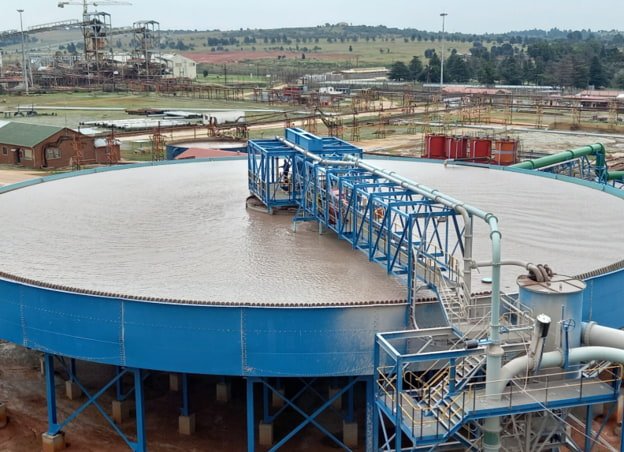
Industrial operations produce waste streams defying simple solutions. Mining generates slurries requiring sophisticated handling. Wastewater treatment demands precision separation. Pharmaceutical manufacturing needs gentle approaches, preserving product integrity. Food processing requires contamination prevention. Construction waste contains mixed materials needing recovery. Standard filtration fails addressing these complexities. Liquid Solid Separation : Professional specialists assess unique circumstances thoroughly. They develop customized approaches matching specific challenges. Appropriate solutions emerge from genuine understanding. Waste management becomes manageable through expertise.
Improving Operational Efficiency
Equipment downtime costs substantially affect production schedules. Separation problems halt operations unexpectedly. Professional intervention prevents catastrophic delays. Separation experts optimize existing systems, improving performance. Equipment operates smoothly without constant failures. Throughput increases measurably. Production schedules stay on track. Facility productivity improves noticeably. Efficiency gains compound over time. Operational excellence becomes sustainable through proper solutions.
Protecting Environmental Compliance
Environmental regulations demand proper waste handling. Non-compliance creates legal complications. Facility managers worry about regulatory violations constantly. Professional solutions ensure compliance automatically. Waste streams get handled appropriately. Environmental standards stay within acceptable limits. Regulatory inspections proceed smoothly. Documentation supports compliance verification. Legal risks disappear through proper management. Environmental responsibility becomes operationally embedded.
Recovering Valuable Materials
Waste streams sometimes contain recoverable resources worth extracting. Precious metals hide within industrial waste. Useful materials get lost through improper disposal. Liquid solid separation technology recovers materials that others overlook. Valuable components get salvaged systematically. Liquid Solid Separation : Resource recovery reduces disposal costs. Environmental impact decreases through recovery. Economic value emerges from waste streams. Materials get reused, reducing consumption. Recovery transforms waste into opportunity.
Supporting Process Sustainability
Modern operations require sustainable approaches. Single-use disposal feels wasteful philosophically. Water recycling becomes operationally essential. Solid-removal recovery supports environmental goals. Professional specialists design sustainable systems. Closed-loop approaches minimize waste. Resource consumption decreases substantially. The environmental footprint shrinks measurably. Sustainability becomes a competitive advantage. Operations reflect genuine environmental commitment.
Ensuring Product Quality
Contamination compromises product quality immediately. Separation failures damage reputation. Customers demand quality assurance. Professional separation maintains product integrity. Contaminants get removed completely. Specifications stay within acceptable limits. Quality consistency improves dramatically. Customer satisfaction increases noticeably. Reputation protection matters commercially. Quality assurance drives business success.
Simplifying Complex Operations
Separation challenges sometimes seem insurmountable without expertise. Equipment selection confuses facility managers. Installation requirements baffle operators. Maintenance procedures intimidate inexperienced staff. Professional guidance simplifies everything substantially. Equipment selection becomes straightforward. Liquid Solid Separation : Installation proceeds smoothly. Staff training happens systematically. Maintenance becomes manageable. Complexity disappears through professional support.
Building Long-Term Operational Partnerships
Specialists invested in facility success create genuine relationships extending beyond initial installations. They understand how systems perform over time. Regular monitoring prevents unexpected complications. Performance optimization happens continuously. Facility managers appreciate having trusted advisors available. Operational problems get solved quickly through established relationships. Communication improves significantly. Troubleshooting becomes systematic rather than panicked. Partners develop deep facility knowledge. Dependable relationships support long-term operational excellence.
Preventing Costly Equipment Failures
Separation equipment breaks down without proper expertise. Emergency repairs cost substantially more than preventative maintenance. Liquid Solid Separation : Facility managers dread unexpected shutdowns disrupting schedules. Professional specialists prevent failures through systematic monitoring. Equipment receives appropriate care, extending its lifespan. Problems get caught early before catastrophic failure. Preventative approaches prove far more economical. Facility downtime decreases dramatically. Maintenance becomes predictable and manageable. Professional oversight transforms maintenance from reactive to proactive.
Conclusion
Liquid solid separation experts transform operational challenges into opportunities through specializd expertise. Waste management becomes efficient. Operations improve measurably. Environmental compliance stays current. Materials get recovered. Sustainability improves. Quality stays consistent. Complexity becomes manageable. Those engaging qualified experts discover their facilities operate optimally. Professional expertise creates solutions that genuinely transform industrial efficiency.