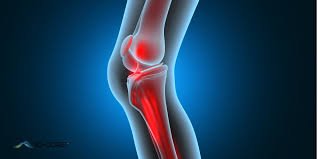
Do you experience difficulties while climbing stairs or lifting heavy objects? Do your joints feel stiff, and do your knees hurt when standing for a while? Then you must have once thought about your joint health. Bones and joints need to be taken care of at every age. Just as our muscles are important, our bones are also crucial for an active and healthy life. If you’re someone on the same page, consulting the best physician doctor in Noida needs to be your first and most important step.
Understanding Bone Health
There are 206 bones in our skeleton, and bone tissue is always changing. Bones grow quickly during childhood and adolescence, peaking in density by the late 20s. Bone mass starts to gradually decrease after this. Osteoporosis and a higher risk of fractures can result from this loss in certain people, particularly elderly men and postmenopausal women.
Because osteoporosis progresses without symptoms until a fracture occurs, generally in the hip, spine, or wrist, it is frequently referred to as the “silent disease.” In the elderly, these fractures may result in increased mortality, loss of independence, and persistent discomfort. A vital but frequently disregarded component of general well-being is bone health. As living tissues, our bones are continuously disassembled and reassembled. They store vital minerals like calcium and phosphorus, support our body, shield our internal organs, and anchor our muscles. However, bone loss can develop slowly as we age—and occasionally much earlier—increasing the risk of fractures and long-term impairment.
In addition to highlighting common risk factors for bone-related disorders like osteoporosis and providing helpful advice for maintaining strong bones throughout life, this article seeks to increase public awareness of bone health.
Risk Elements
Both controllable and uncontrollable variables affect bone loss:
Controllable elements:
● Inappropriate consumption of calcium and vitamin D.
● Desk-based lifestyle.
● Regular alcohol consumption and smoking.
● Eating disorders or people who are underweight
● Some drugs or steroids.
Uncontrollable elements:
● As people age, their bone density gradually declines.
● Women are more vulnerable, especially after menopause.
● Asian and Caucasian people typically have lower bone densities.
● Genetics is a major factor.
Developing Bone Health from the Outset
● Youngsters and Teenagers: This is the most crucial time to develop lifelong, strong bones. Peak bone mass can be maximized by adding a nutritious diet high in calcium and vitamin D, regular exercise, particularly weight-bearing activities like running and jumping, and outside play to gain solar exposure.
● People in their 30s and 40s: This age is the peak moment to maintain bone mass. It is essential to maintain good eating habits, engage in an active lifestyle, and abstain from dangerous substances like alcohol and tobacco. Regular screening and knowledge of early menopause are also crucial for women.
● Elderly People (50+): After 50, falls become more hazardous and bone loss accelerates. Debilitating fractures can be avoided by regular scans,, preserving muscular strength, fall-proofing dwellings, and taking the right medicines or supplements as directed by a doctor.
Dietary Requirements for Robust Bones
● Vitamin D: This is necessary for the absorption of calcium. The main cause is sun exposure; meals like fatty fish and egg yolks, as well as vitamins, can assist.
● Protein: By volume, bones contain roughly 50% protein. Strength and bone healing are supported by a balanced diet.
● Calcium: Adults require between 1,000 and 1,200 milligrams of calcium daily. Good sources include leafy greens, dairy products, tofu, almonds, and fortified meals.
● Collagen: Collagen production and bone mineralization are supported by magnesium and vitamin K.
● Protein: By volume, bones contain roughly 50% protein. Strength and bone healing are supported by a balanced diet.
● Exercise and strength training: Resistance training and weightlifting promote the growth of new bone. Walking, jogging, yoga, stair climbing, and strength training are all great ways to improve balance and maintain bone density, which lowers the chance of falls. Simple at-home habits can work just as well. Chair yoga and Tai Chi are two exercises that help elderly persons become stronger and more stable.
How to maintain the health of your bones?
The actions listed below may help stop or reduce bone loss:
● Nutritious diet- Make sure your diet is high in calcium. The Recommended Dietary Allowance (RDA) for calcium is 1,000 mg per day for men aged 51 to 70 and adults aged 19 to 50. For women 51 years of age and older and men 71 years of age and older, the recommended daily dosage increases to 1,200 mg.
● Calcium- Dairy products, turnip greens, salmon, and tinned salmon with bones, sardines, tuna, and soy products like tofu are all good sources of calcium. Ask your doctor about taking a calcium supplement if you have trouble getting enough calcium from your diet.
● Vitamin D- Make sure you get adequate vitamin D. The body absorbs calcium with the aid of vitamin D. The recommended daily allowance of vitamin D for persons between the ages of 19 and 70 is 600 international units (IUs). For persons 71 years of age and older, 800 IU daily is advised.
● Essentials- Oily fish, including salmon, trout, tuna, and mackerel, are good providers of vitamin D. Certain foods, like milk, cereals, and orange juice, also contain vitamin D. Additionally, sunlight aids in the body’s production of vitamin D. Ask your doctor about taking a supplement if you’re concerned about receiving adequate vitamin D.
● Continue to be active- You can halt bone loss and strengthen your bones with weight-bearing workouts. Walking quickly, jogging, dancing, climbing stairs, and playing tennis or soccer are a few examples. Yo-yo dieting, characterized by repeated weight loss and gain, can eventually lead to bone loss.
● Maintain a stable weight- Maintaining a healthy weight promotes strong bones and joints. Osteopenia, fractured bones, and weakened bones can result from being underweight. Additionally, being overweight can weaken your bones and increase the strain on your joints, which can lead to problems.
Key role of Vitamin D in strengthening bones
As we already know, Vitamin D is essential for calcium absorption, as without it, calcium cannot be properly utilized by your body. A calcium-rich diet cannot effectively support your bones without proper absorption. Adults under 70 should consume 600 IU daily, and adults over 70 should consume 800 IU daily.
Vitamin-D rich sources include:
● Fortified Foods: Dairy products, plant-based alternatives, and cereals are fortified with vitamin D.
● Fatty Fish- Salmon, tuna, and mackerel are the supreme dietary sources of Vitamin D.
● Sunlight Exposure: When you expose yourself to sunlight, it naturally produces Vitamin D. It is a natural way to boost Vitamin D for your bones. However, factors like skin pigmentation, geographic location, and age affect production efficiency.
● Supplements: Supplements might be necessary for some people. Doctors often recommend supplements to ensure sufficient Vitamin D for bones, especially in senior citizens.
Take charge of your bone health
Maintaining strong bones and powerful joint health is necessary for a long and healthy life. If you’re facing such issues, do not hesitate to consult an orthopedic doctor in Greater Noida. It’s high time for us to recognize the importance of nutrition, exercise, and strength training for stronger bones and muscles. Understand the risk factors and know the tips to maintain strong bones from this blog, and take a step forward to a healthier and stronger life. All it takes is understanding your current situation and taking charge of your bone health. This article will definitely guide you through the rest of the steps.