Industrial operations sometimes discover unexpected complications when hazardous materials remain poorly managed without proper systems. Facility managers frequently assume traditional approaches work adequately without investigating modern containment alternatives available. Business leaders exploring spill containment solutions occasionally discover surprising benefits extending far beyond basic protection. Environmental responsibility shifts from an abstract concept to a practical reality once proper systems are installed. Workplace safety improvements manifest quickly when organisations implement comprehensive liquid management and containment strategies. Operational disruptions decrease noticeably when incidents become rare rather than recurring management headaches. Facility transformation depends entirely upon reconsidering outdated approaches rather than accepting preventable disasters.
Understanding Hidden Contamination Risks
Hazardous liquids sometimes migrate undetected through soil, causing delayed, irreversible environmental damage. Underground contamination occasionally spreads far beyond initial spill locations, affecting neighbouring properties. Containment systems designed strategically intercept hazardous materials before environmental contamination becomes established. Groundwater contamination remains preventable through proper barriers and strategic containment system placement. Soil remediation occasionally requires years of costly intervention after preventable spill incidents. Environmental liability extends beyond the initial incident, affecting business reputation and future operations. Contamination prevention proves significantly easier than managing established environmental damage situations. Undetected risks matter considerably.
Examining Regulatory Landscape Changes
Government standards evolve continuously, requiring facilities maintaining compliance with updated requirements constantly. Regulatory violations occasionally impose substantial penalties affecting financial performance and operational standing. Solutions meeting current requirements ensure facilities maintain acceptable compliance ratings with authorities. Inspection outcomes improve considerably when inspectors observe comprehensive containment systems and protocols. Documentation demonstrating compliance becomes essential during regulatory reviews and facility assessments. Agencies increasingly scrutinise environmental practices, rewarding proactive facilities implementing advanced containment measures. Non-compliance occasionally results in operational restrictions limiting business growth and expansion opportunities. Compliance standards shift constantly.
Recognising Economic Realities
Spill incidents occasionally trigger cascading expenses from emergency response through environmental remediation. Business interruptions during cleanup procedures create lost revenue and operational delays affecting profitability. Containment investments prevent catastrophic financial impacts from environmental damage and facility closures. Insurance premiums sometimes decrease when facilities demonstrate risk management commitment and investment. Equipment replacement costs become unnecessary when proper containment protects valuable machinery and inventory. Emergency response expenditures pale compared to comprehensive remediation and environmental restoration costs. Financial planning becomes realistic when spill prevention remains prioritised within facility budgets. Economic impact proves substantial.
Examining Employee Wellbeing
Workplace incidents involving hazardous materials occasionally traumatise staff members, affecting morale and retention. Health complications from chemical exposure sometimes develop years after initial incident exposure. Proper containment systems eliminate occupational health risks associated with spill incidents. Staff confidence improves noticeably when employees observe visible safety investments and management commitment. Workplace culture strengthens when safety receives priority comparable to production metrics. Incident prevention reduces workers’ compensation claims and associated insurance premium increases. Employee retention rates improve when facilities prioritise workplace safety and worker protection. Worker protection matters considerably.
Questioning Traditional Approaches
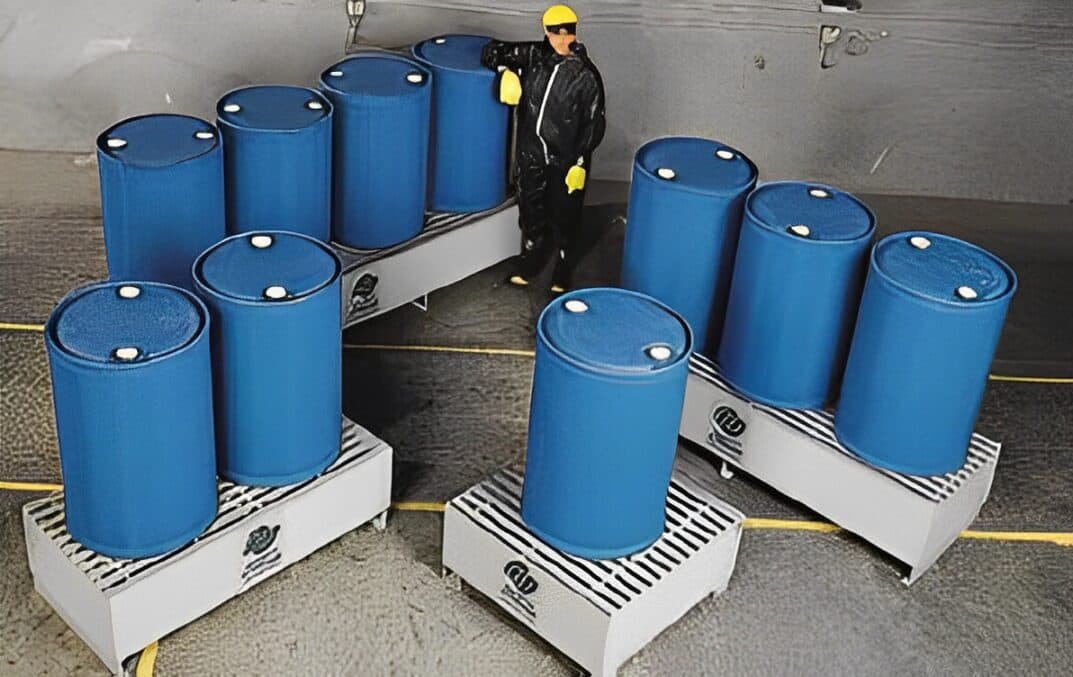
Established industry practices occasionally perpetuate outdated methods despite superior alternatives becoming available. Conventional wisdom sometimes misleads regarding actual risks and appropriate protective measures needed. Modern containment technologies occasionally outperform expected capabilities, surprising facility managers and operators. Innovation occasionally reveals simpler solutions than historically complex spill management procedures required. Equipment advancements permit flexible installations adapting to various facility layouts and configurations. Rethinking traditional approaches occasionally reveals cost-effective solutions improving both safety and efficiency. Industry standards evolve continuously, rewarding facilities willing to adopt improved methods. Traditional thinking constrains progress.
Observing Real-World Outcomes
Facilities implementing modern containment systems report noticeable improvements in operational consistency metrics. Production schedules proceed uninterrupted when spill incidents become rare rather than routine occurrences. Maintenance costs decrease substantially when equipment remains protected from hazardous liquid exposure. Staff morale improves when employees observe management prioritising their health and safety. Environmental stewardship becomes visible when facilities demonstrate commitment through tangible containment investments. Community relations strengthen when neighbours observe responsible industrial operations and environmental management. Measurable improvements accumulate over time, validating initial system investments and decisions.
Conclusion
Spill containment solutions transform industrial operations through comprehensive hazard management and protection. Preventing environmental contamination is significantly easier than managing established environmental damage. Proper system implementation and ongoing maintenance strengthen regulatory compliance. Financial savings accumulate substantially through incident prevention rather than expensive remediation. Employee wellbeing improves noticeably when workplace hazards become actively managed and controlled. Facility operations benefit remarkably from reconsidering traditional approaches and implementing modern solutions. Business success increasingly depends upon proactive environmental management and proper containment.