
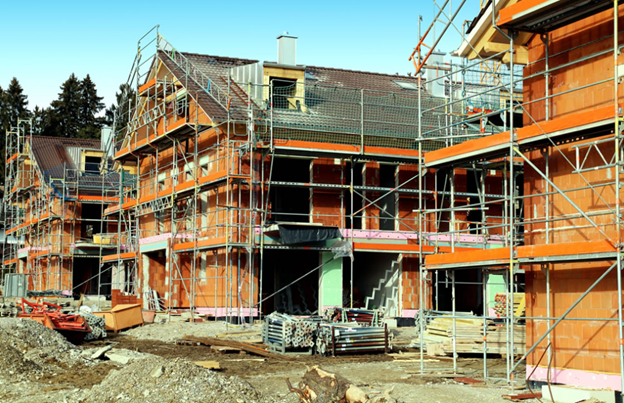
New property developments : Most buyers walk into a new build and immediately start drawing comparisons to the older property they viewed the weekend before. The older one had charm. It had a bigger garden, original cornicing, and a sense of history that felt difficult to walk away from. So they talk themselves out of the new build entirely and into a Victorian terrace with outdated wiring, a questionable roof, and a boiler that has clearly been on borrowed time for years. This happens constantly. And it almost always comes down to the same thing: buyers not truly understanding what new property developments are built to deliver, beyond what the show home looks like on a sunny Saturday afternoon.
Snagging Is Normal
New buyers panic when they find a snagging list after moving in. Doors that do not hang right. Grout that needs attention. A socket finished slightly off. It feels alarming, especially when you have just signed something significant. But snagging is completely routine in new builds — and more importantly, developers are contractually obligated to fix every item on that list. Now compare that to buying an older property where the seller said nothing, the survey missed something structural, and the repair bill is entirely yours with nobody to turn to. A snagging list with an accountable developer behind it is, in practice, far less stressful than inheriting someone else’s hidden problems.
Mortgages Work Differently Here
Lenders treat new builds differently to resale properties. Buyers who do not know this before making an offer sometimes get caught out badly. Loan-to-value limits can be tighter, which changes what deposit a buyer actually needs. At the same time, certain government-backed purchase schemes have historically been available exclusively on new property developments routes into ownership that do not exist anywhere in the resale market. Getting clear on how lending criteria apply to new builds before falling in love with a particular plot is always time well spent.
Service Charges Matter
Too many buyers skip this conversation until it is far too late. Flats and managed estates within new developments often carry ongoing service charges — covering communal upkeep, landscaping, building management, and more. The range between developments is enormous. Some charges are fair, transparent, and well-administered. Others creep upward year after year with very little explanation and even less accountability. Before committing to any new property development, it is worth requesting a full breakdown of current charges, understanding how they have changed over time, and establishing exactly who manages the contract and on what terms. It is not an exciting part of the process. It is, however, one of the most consequential.
Completion Dates Slip
Buying off-plan means purchasing a property that does not yet exist in finished form. That introduces real uncertainty and it catches buyers out more often than developers tend to acknowledge. Build programmes slip for all sorts of reasons. Material shortages, planning complications, labour delays. Sometimes the timeline shifts by weeks. Sometimes considerably longer. For buyers who have already handed in notice on a rental or accepted an offer on their existing home, that slippage creates serious problems. The developers worth dealing with communicate early and honestly when timelines change. The ones to be wary of go quiet and offer vague reassurances until the situation becomes impossible to ignore. Asking direct, pointed questions about programme risk before exchange is never the wrong move.
Resale Needs Thought
The criticism that new builds lose value quickly — like a car leaving the forecourt — gets repeated often enough that many buyers accept it without much examination. It is oversimplified, but it is not completely baseless either. When a large number of identical units within the same development hit the resale market around the same time, early buyers can find themselves competing directly against the developer’s own unsold stock. Thinking carefully about release volumes, local demand, and the broader trajectory of the surrounding area before committing makes a genuine difference to what the long-term picture looks like.
Conclusion
New property developments reward buyers who come prepared with proper questions rather than assumptions carried over from the resale market. The genuine advantages — modern construction, energy performance, structural warranties, and thoughtful design — hold up well under scrutiny. But service charges, lending differences, completion risk, and resale dynamics all deserve honest attention before anything is signed. Buyers who do that groundwork tend to find both the process and the outcome considerably more satisfying than those who made their decision based on how the show home felt on the way in.